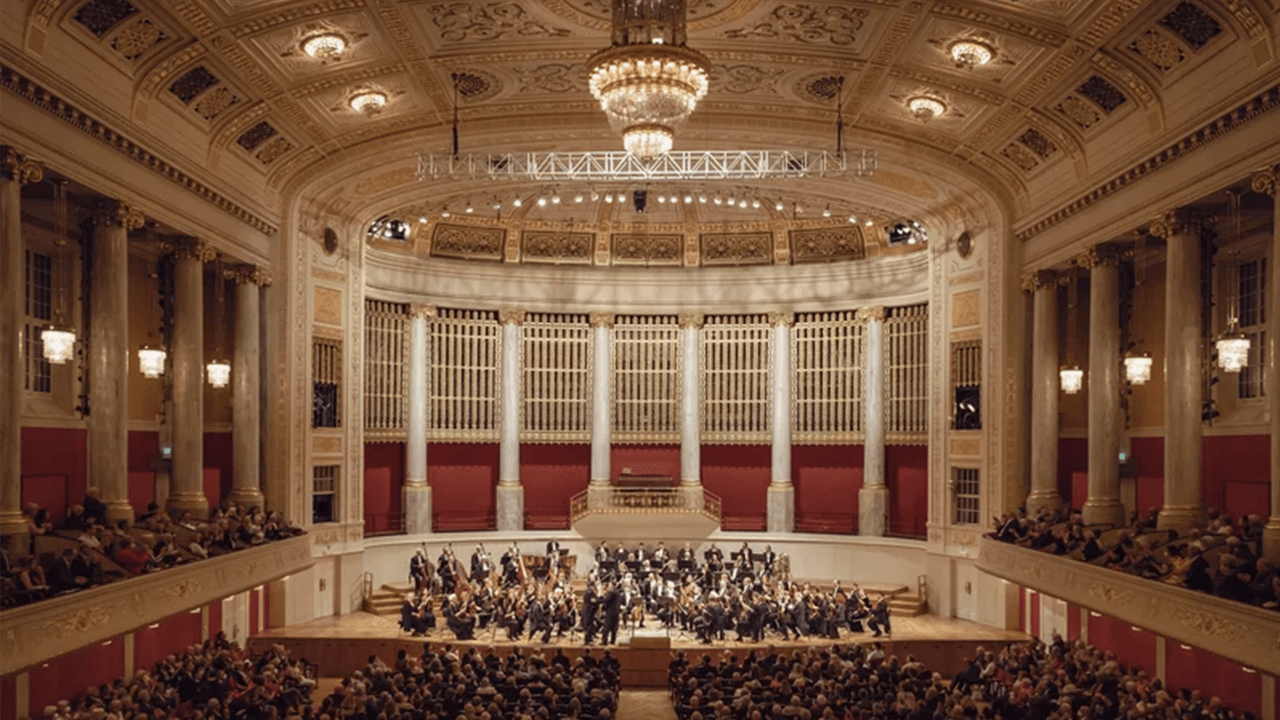
Until now, subscription requests couldn't be handled through the ticket shop, since it didn't support advance orders for future dates. That meant visitors had to be looked after manually - a time-consuming process. The existing web forms could only capture contact details; transactions and follow-up actions had to be handled separately. A media break that cost time and resources.
Extending the EMS web forms created an entirely new functional layer. Now, forms can capture not just address data – they can generate transactions directly, for example a subscription order with price, category, and additional information.
This transaction is automatically linked to the contact in the system - even for new contacts. That makes the classic ticket shop unnecessary for this use case.
Every form transaction can now also trigger further processes in the EMS:
All controlled by rule-based automations - with no media break, in real time.
The new, transaction-capable forms have fundamentally modernized the ordering process at Wiener Konzerthaus. Subscription requests can now be received, processed, and tracked digitally - including internal notifications, customer communication, and task management.
As a result, manual intermediate steps were drastically reduced, response times to requests were shortened, and customer satisfaction increased.



The project with Wiener Konzerthaus centered on a very concrete question: how can subscription orders be handled digitally when the existing ticket shop isn't built for it? The previous web forms could capture inquiries, but were limited to plain contact data and required time-consuming manual processes afterward.
Together, we used this bottleneck as an opportunity to fundamentally rethink the role of web forms. By extending the EMS forms, real transactions could for the first time be captured directly through forms - including price, category, and other relevant information. These transactions are automatically linked to the respective contact, even for newly created records.
What's especially effective is the interplay with the downstream automations: thank-you emails to customers, internal notifications, and optional follow-up cases are all triggered on a rule basis and in real time. Today, the entire process runs without any media break and with full transparency in the EMS.
To me, this project shows very clearly how technical extensions in the right place can simplify operational workflows, shorten response times, and at the same time increase service quality - without needlessly complicating existing systems.
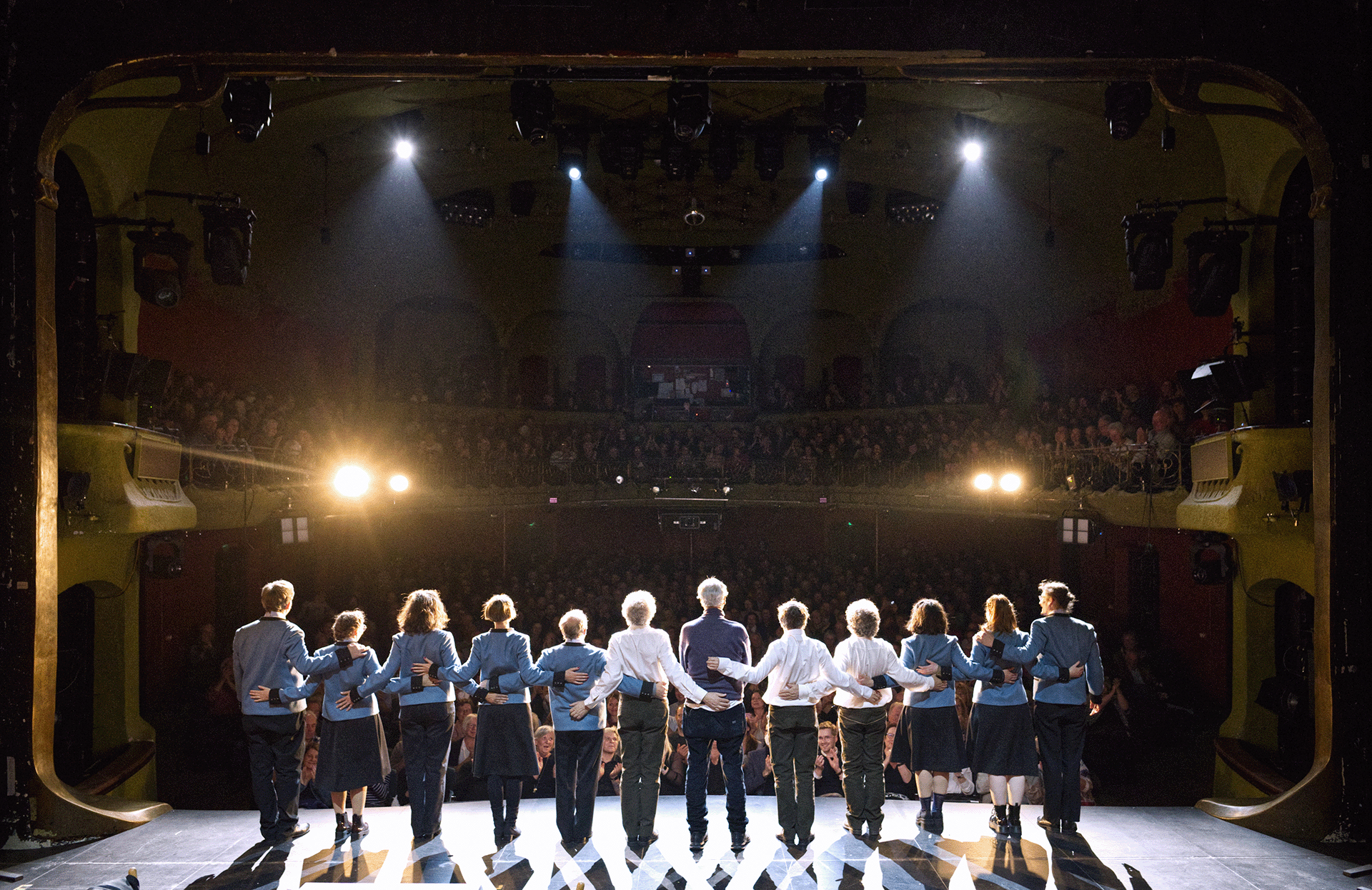
The Tixly interface went live at the start of the season - by the end of it, transaction-based communication had been noticeably expanded. Since then, every suitable occasion is used for individual, targeted messaging: a major step toward automated, precisely tailored audience communication.
View project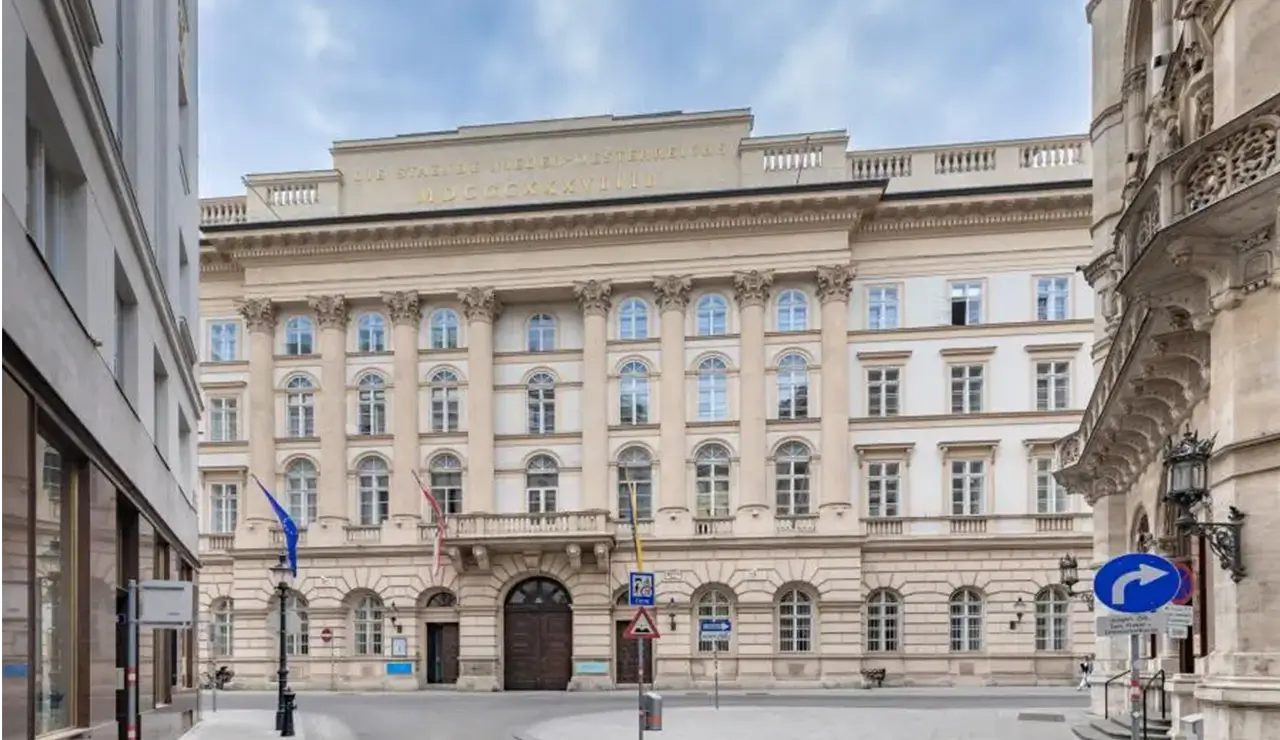
ecoplus achieves a strong increase in campaign relevance and a rise in repeat bookings - through clean data management, strategic automation, and clever segmentation.
View project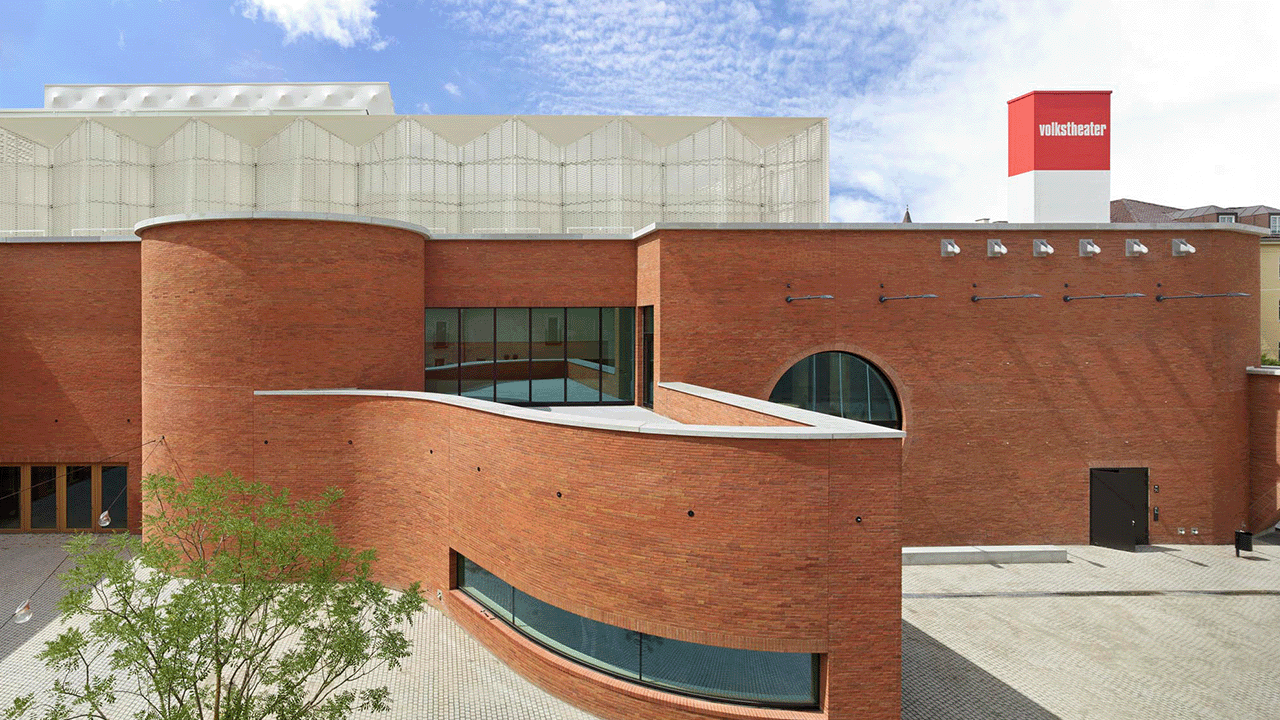
After a new attendance record in the 2024/25 season, Münchner Volkstheater continues to automate its email marketing processes. At the start of the 2025/26 season, automated pre-visit service mailings were implemented in the E-Marketing Suite.
View project